

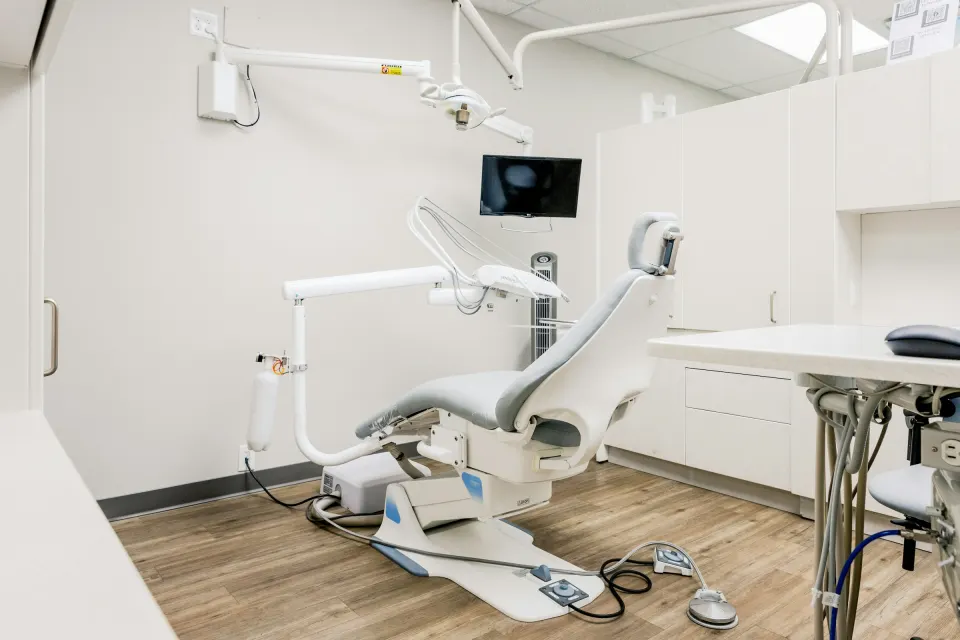
Paediatric dentistry is the branch of dentistry that cares for children's oral health from infancy to adolescence, aiming to protect and treat both baby teeth and the developing permanent teeth. Baby teeth have a different structure from adult teeth, and their treatment is planned accordingly. For families in Denizli, Turkey and those travelling from abroad, we recommend regular check-ups from an early age, as they help prevent decay and stop it progressing.
- Treatment planned around the specific structure of baby teeth
- Preventive care aimed at stopping decay before it starts
- Space maintainers when baby teeth are lost too early
- Practical guidance for parents on infant and child oral care
Treatment process
Preparing for the visit
Playing dentist-themed games with your child 1–2 days before the appointment can help ease their worries.
Getting acquainted and examination
Your child is given time to get used to the surroundings, then the baby teeth, gums and dental development are checked.
Preventive care and parent guidance
Preventive measures are planned as needed, and parents are shown the correct way to brush and floss their child's teeth.
Regular check-ups
Growth and decay are monitored at regular check-ups, particularly during the mixed dentition years.
Why do baby teeth matter?
Baby teeth play an important role until they make way for the permanent teeth. A child's last baby tooth is usually not lost until 11–13 years of age.
If baby teeth are lost early because of decay or an abscess, this can cause alignment problems for the permanent teeth later on. Early dental treatment helps stop decay progressing and protect the enamel.
When do baby teeth come through?
The first baby teeth usually start to appear at around six months. Timing varies from child to child as part of normal development, and teeth arriving a little late is not a problem in itself. If you have any concerns, a check-up can put your mind at rest.
Caring for your baby's mouth and teeth
Oral care starts at birth. Before any teeth come through, you can gently wipe your baby's palate and gums with a damp gauze after each feed. Once teeth appear, clean them at least once a day, before bedtime, using a small-headed, soft-bristled brush designed for babies.
- Do not let your child fall asleep with a bottle in their mouth, and give nothing but water in a bedtime bottle.
- Children cannot clean their teeth thoroughly on their own, so keeping sugary and starchy foods to a minimum is one of the most effective things you can do.
- Ask your dentist to show you the correct way to brush and floss your child's teeth.
Your child's first dental visit
Around your child's first birthday is a good time for their first dental visit. After that, regular check-ups of the teeth and gums should continue.
Bringing your child along to your own dental appointments, and letting them watch part of the treatment, helps them develop a sense of trust. Playing dentist-themed games 1–2 days before their appointment can also ease anxiety. Try not to talk about your own dental fears in front of your child, as children easily pick up the same worries.
Preventive care in childhood is aimed at stopping decay from developing in later years.
What is a space maintainer?
Space maintainers are fixed or removable appliances used to hold the space left by a baby tooth that has been lost early for any reason.
Losing baby teeth too soon can cause problems with chewing and appearance, as well as developmental issues. When a baby tooth is lost prematurely, neighbouring teeth can drift into the gap, the permanent teeth may come through out of line and crowding can develop. This is why regular check-ups should not be missed for primary school children in the mixed dentition stage, with close monitoring of development and decay.
Frequently asked questions
When should my child first see a dentist?
Around the first birthday is a good time. Getting to know the dentist early makes future visits easier and allows any problems to be spotted early. Regular check-ups should follow.
Baby teeth fall out anyway, so do they really need treatment?
Yes. Until they fall out, baby teeth are needed for chewing and speech and they hold space for the permanent teeth. Losing them early to decay or an abscess can affect how the permanent teeth line up.
Is it harmful for my child to fall asleep with a bottle?
Falling asleep with a bottle of milk or a sugary drink increases the risk of decay, because saliva flow drops during sleep. Avoid letting your child sleep with a bottle, and offer only water at bedtime.
When is a space maintainer needed?
If a baby tooth is lost before its time, a space maintainer may be needed to keep the gap open until the permanent tooth comes through. Otherwise neighbouring teeth can drift and the permanent teeth may erupt out of line. The need is assessed at an examination.
How can I prepare my child for a dental visit?
Playing dentist-themed games 1–2 days beforehand and bringing your child to your own appointments can help build trust. It also helps not to mention your own fears or worries about the dentist in front of them.
Do baby teeth need fillings? Won't they fall out anyway?
One of the main jobs of baby teeth is to hold space for the permanent teeth coming through beneath them. If a baby tooth has to be removed too early, the neighbouring teeth can drift into the gap. The permanent tooth then has no room and crowding can result. That is why decayed baby teeth should be filled or, if needed, given root canal treatment.
The information on this website is for general information only and does not replace an examination, diagnosis or treatment plan by a dentist. Treatment and outcomes vary from person to person.