

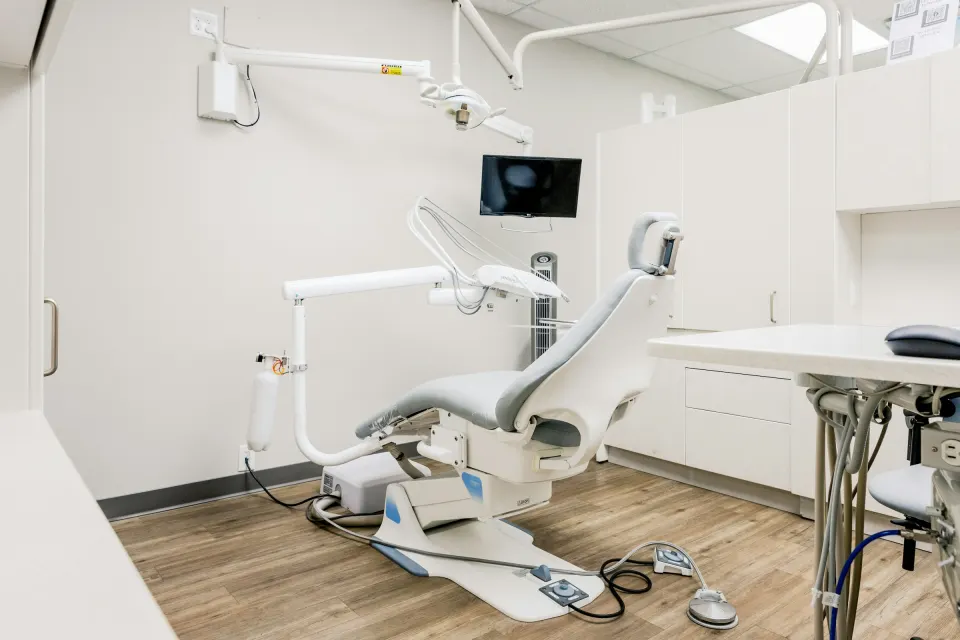
Preventive dentistry is an approach that aims to stop tooth decay and gum disease before they develop, using methods such as oral hygiene education, fluoride application and fissure sealants. Problems that small precautions could have prevented may, if neglected, call for more extensive and demanding treatment. At our clinic in Denizli, Turkey, preventive care is built around oral hygiene motivation: learning how to look after your mouth properly and turning it into a daily habit.
- Personalised oral hygiene coaching (oral hygiene motivation)
- Professional fluoride application to help protect against decay
- Fissure sealants for the grooved surfaces of back teeth
- Diet and brushing guidance for children
Treatment process
Examination and risk assessment
Teeth and gums are examined, and diet, brushing habits and decay risk are assessed.
Oral hygiene coaching
Brushing technique and the use of floss and interdental brushes are demonstrated for your individual needs.
Preventive treatments
Fluoride application or fissure sealants are provided where appropriate.
Regular check-ups
Oral health is monitored every 6 months, and preventive treatments are repeated according to age and risk.
What is oral hygiene motivation?
Oral hygiene motivation is the most important step in preventive dentistry. People who fully understand and apply good oral health habits are far less likely to run into serious problems.
The following all play a part:
- How often, how and when you brush
- How often you eat sugary and starchy foods
- Using dental floss and interdental brushes
- A routine dental check-up every 6 months
- Any additional aids your dentist recommends for you
Brushing and flossing correctly
Brushing and flossing at night
The most important oral care of the day is the routine before bed. During sleep, saliva flow largely stops, so sugars and starches do more harm to the teeth. Night-time brushing should always be followed by flossing: a toothbrush cleans only some of the tooth surfaces, and the areas between teeth can only be reached with floss. This is the most common reason people say their teeth still decay even though they brush regularly.
Interdental brushes
People with wider gaps between their teeth are advised to use interdental brushes in addition to floss.
Brushing technique
Brush from the gum towards the tooth: downwards on the upper teeth and upwards on the lower teeth. The same rule applies to the inner and outer surfaces and to front and back teeth. Scrubbing side to side traumatises the gums and can lead to tooth wear and gum recession. Only the biting surfaces should be brushed with a back-and-forth motion.
Brushing too hard and abrasive toothpastes
A common mistake is brushing too hard. Combined with abrasive whitening toothpastes used in pursuit of whiter teeth, it can wear away enamel, make teeth stain more quickly and cause sensitivity. Wear at the necks of the teeth, near the gum line, is usually linked to this habit. Patients in this situation are generally advised to use a soft brush and a fluoride toothpaste.
Brushing in the morning
Brushing as soon as you wake up and then having breakfast reduces the benefit of brushing. You can plan the timing of your morning brush with your dentist; the general advice is to brush after breakfast.
Sugar and tooth decay
Keeping sugary and starchy foods under control is essential in preventing decay. People who rarely eat sugary foods tend to have less decay, even if their oral hygiene is not perfect, because the main cause of decay is absent.
Those who snack on sugary foods often may assume brushing alone is enough. In reality, these foods collect between the teeth and are not removed even by brushing several times a day; only floss can clear them.
Snacking before bed is the riskiest habit of all. As you fall asleep, saliva flow drops, the mouth's natural defence weakens and conditions become ideal for decay.
Fluoride and professional fluoride application
Your toothpaste should always contain fluoride, and you should avoid rinsing vigorously after brushing, especially at night. Misleading reports about fluoride that are not supported by science have contributed to more complaints of sensitivity to cold and sensitive tooth necks during brushing.
Topical fluoride application by the dentist, including the iontophoresis method, provides considerable protection against decay. It is usually carried out at 6-monthly check-ups, although it may be needed more or less often depending on age and decay risk.
Who can benefit from fluoride application?
- Adults and children with decay-free mouths, as a preventive measure
- Patients with sensitive teeth, to help reduce sensitivity
- People showing signs of dental erosion
- Mouths prone to decay, as a preventive measure
- People who find oral hygiene difficult or who need special care
What are fissure sealants?
Food debris collects very quickly in the pits and grooves of the biting surfaces of the teeth. These areas are hard to clean and difficult for a toothbrush to reach, and they are a common reason why back molars decay at an early age.
A fissure sealant covers these grooved surfaces, making them smooth and easy to clean and so helping to prevent decay.
Protecting your child's teeth from decay
From infancy onwards, it is important to keep children away from sugary and starchy foods and drinks as far as possible, such as sweets, chocolate, sweetened milk, syrups in a bottle, ready-made chocolate drinks, ice cream, jelly sweets and fizzy or sugary drinks. Baby teeth are naturally more prone to decay, and children's brushing is not yet fully effective; even when you think they have brushed, food can remain in parts of the mouth.
Take your child to the dentist regularly from the time the first tooth appears. Your dentist will suggest a routine covering brushing, flossing and any preventive treatment needed. Care at home, regular check-ups and a balanced diet help your child build healthy habits for life.
When to start fluoride toothpaste, and how much to use, should be decided with your dentist according to your child's age and decay risk. With young children who use toothpaste, a parent should supervise brushing, make sure only a lentil-sized amount is used, and help the child spit out the excess rather than swallow it.
How can my child's diet be kinder to their teeth?
Aim for a balanced diet with plenty of fruit, vegetables, bread, milk and dairy products, meat, fish and eggs. Avoiding sweets, chocolate and similar foods between meals is an effective way to protect your child's teeth from decay.
Frequently asked questions
Why do I still get decay even though I brush regularly?
Brushing cleans only some of the tooth surfaces; food trapped between the teeth can only be removed with floss. Frequent sugary snacks and eating before bed also raise the risk of decay. Adding floss to your night-time routine closes that gap.
Which brush of the day matters most?
The brush before bed matters most, because saliva flow drops during sleep and the mouth's natural defences weaken. It should be followed by flossing, and you should avoid rinsing heavily afterwards.
Is fluoride toothpaste safe?
Used in the recommended amounts, fluoride toothpaste is a scientifically accepted way of protecting teeth against decay. Choosing a fluoride-free toothpaste can make decay and sensitivity more likely. For children, the amount should follow your dentist's advice.
Who are fissure sealants for?
Sealants are applied to the biting surfaces of back teeth, particularly those with deep pits and grooves, and are most often used for children. By making these surfaces smooth and easy to clean, they help prevent decay. Suitability is assessed at an examination.
My teeth are sensitive to cold. Could my brushing be the cause?
It could. Brushing too hard or side to side, and abrasive whitening toothpastes, can wear the necks of the teeth and cause gum recession, leading to sensitivity. A soft brush, fluoride toothpaste and correct technique are usually advised, but the cause should be confirmed at an examination.
Is fluoride harmful? Isn't a herbal toothpaste healthier?
Scientific research recommends using a fluoride toothpaste twice a day. As with any substance, it is the dose that matters. Even when fluoride is taken systemically (tablets, drinking water) the risk is very low, and using it topically in toothpaste poses no concern.
I'm very sensitive to cold food and drinks. What could be the cause?
In recent years, misinformation about fluoride has led more people to switch to fluoride-free herbal toothpastes, and sensitivity complaints have increased along with it. Brushing too often or too hard can also wear the enamel and cause sensitivity. Because sensitivity can also stem from decay, a crack or gum recession, the cause should be established at an examination.
My grandfather never brushed, yet his teeth were healthy. Why are ours different?
Today many foods contain far more carbohydrate (sugar), and unprocessed, natural food is harder to come by. That makes dental care much more important than it used to be. Regular brushing, cleaning between the teeth and check-ups are the foundation for preventing decay and gum disease.
My friend hardly brushes and has very white teeth, while mine yellow quickly. Why?
Some people are simply born with thicker, whiter enamel. The colour of a tooth mainly comes from the inner layer, the dentine, which is always darker than enamel; the thicker the enamel, the whiter the tooth looks. In people who have brushed hard for many years, the enamel becomes thinner and teeth can look more yellow over time.
The information on this website is for general information only and does not replace an examination, diagnosis or treatment plan by a dentist. Treatment and outcomes vary from person to person.